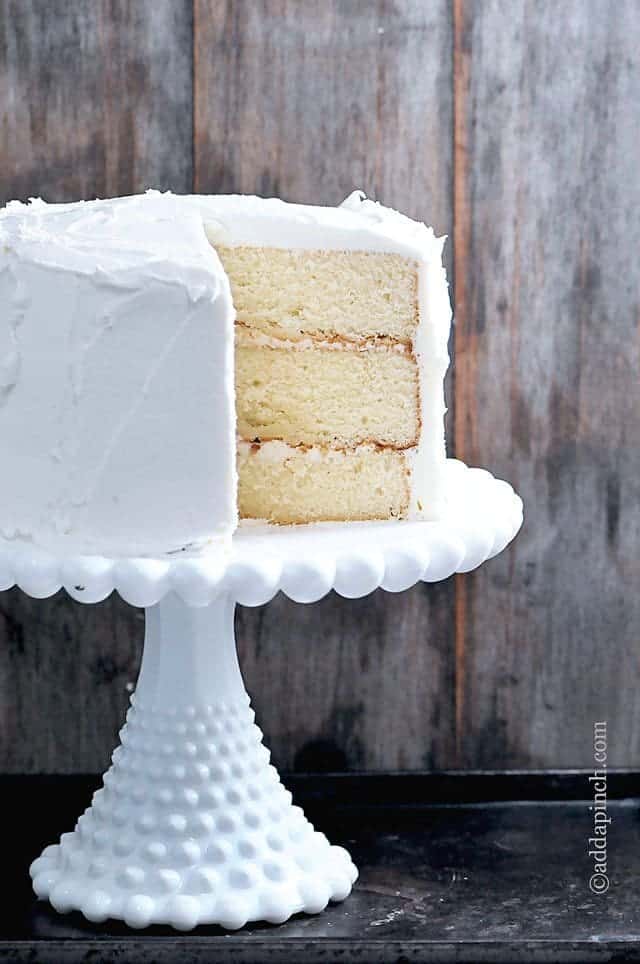
Get Whiter, Firmer Buttercream: Essential Tips & Tricks for the Perfect Finish
There's a certain magic that happens when a perfectly frosted cake makes its grand appearance. And at the heart of countless celebratory and everyday desserts lies the beloved classic vanilla buttercream frosting recipe. It's a staple for a reason: incredibly versatile, delightfully sweet, and surprisingly simple to master. From birthday cakes to humble cookies, this frosting just *works*.
However, many home bakers strive for that elusive pristine white hue and that ideal firm-yet-spreadable consistency that professional confections boast. If you've ever wondered how to achieve a brighter, whiter buttercream that holds its shape beautifully for intricate decorations, you're in the right place. We'll delve into essential tips and tricks that transform your classic vanilla buttercream from good to absolutely gorgeous.
The Enduring Charm of Classic Vanilla Buttercream
The allure of a good classic vanilla buttercream frosting recipe lies in its unparalleled adaptability. It's truly a culinary chameleon, capable of elevating almost any dessert. Picture it atop a fluffy white cake for a wedding or anniversary, offering a pristine canvas. Imagine it as a stark, delicious contrast to a rich, dark chocolate cake, or elegantly sandwiched between two crisp butter cookies. It can be piped into intricate designs on cupcakes or simply spread generously over a giant cookie cake.
This frosting isn't just about taste; it's about texture and presentation. Its smooth, creamy consistency and sweet vanilla flavor make it a crowd-pleaser for all ages. But its true power is unlocked when you learn to manipulate its characteristics – specifically its color and firmness – to match your vision. It's a foundational skill for any aspiring baker, offering endless possibilities for creativity in the kitchen.
Unlocking Pristine White Buttercream: A Baker's Secret
One of the most frequently asked questions about the secrets to super fluffy, bright white vanilla buttercream is how to achieve that vibrant, pure white color. While traditional vanilla buttercream inherently carries a faint yellow tint from the butter, there are definitive strategies to minimize this and get as close to white as possible without resorting to shortening.
The Power of Aeration: Whipping for Whiteness
The first and arguably most crucial trick involves your mixer and how you incorporate air. After each cup of confectioner's sugar you add to your butter and vanilla mixture, turn your stand mixer to its highest speed. This isn't just for a moment; let it whip vigorously for a good minute or two. The intense mixing incorporates a significant amount of air into the frosting. These tiny air bubbles not only make your buttercream incredibly fluffy but also lighten its overall color by reflecting light, making the yellow undertones far less noticeable.
Clear Vanilla Extract: A Game Changer
The second essential tip is to use clear vanilla extract. Standard vanilla extract, while delicious, has a dark caramel color that will inevitably tint your buttercream. Switching to a clear variety eliminates this source of yellowing. While it might have a slightly different flavor profile than pure vanilla bean extract, for the visual goal of pristine white, it's an indispensable ingredient. Combine this with the high-speed whipping, and you'll be astonished at how close to white your buttercream becomes. Remember, with butter as an ingredient, a truly pure, bleached white is unattainable without substitutions, but you can get remarkably close.
Achieving That Perfect Fluffy Texture
Beyond visual appeal, the texture of your buttercream is paramount. A truly exceptional classic vanilla buttercream frosting recipe should be light, airy, and melt-in-your-mouth fluffy. This delightful texture is directly linked to how much air you incorporate and the tools you use.
The Paddle Attachment Advantage
When making buttercream, opt for the paddle attachment on your stand mixer rather than the whisk attachment. While the whisk might seem intuitive for "whipping," the paddle is superior for buttercream because it creams the butter and sugar more effectively, incorporating air smoothly and evenly. The paddle creates a denser, smoother network of air pockets, leading to a consistently fluffy texture without over-aerating it to the point of being too light or unstable. Plus, cleaning buttercream off a paddle is infinitely easier than off a whisk!
Consistent High-Speed Mixing
As mentioned for whiteness, the same high-speed mixing technique is vital for fluffiness. The prolonged, vigorous whipping after each addition of confectioner's sugar stretches the fat molecules in the butter, trapping more air. This process emulsifies the ingredients thoroughly, resulting in a significantly lighter and more voluminous frosting. Don't be afraid to let your mixer work! It's this continuous beating that transforms dense butter and sugar into a cloud-like confection.
The Role of Room Temperature Butter
For ultimate fluffiness and smooth texture, start with room temperature butter. Butter that is too cold won't cream properly with the sugar, leading to lumps and a dense, greasy frosting. Butter that's too warm will melt, resulting in a runny, unstable buttercream. Ideal room temperature butter should yield slightly to the touch when pressed, but still hold its shape. This allows it to whip up beautifully, incorporating air efficiently and creating that desired light consistency.
Mastering Buttercream Firmness for Flawless Decorations
The ability to control the firmness of your buttercream is what truly elevates your decorating game. Whether you need a soft, spreadable consistency for filling cakes or a stiff, stable frosting for intricate piping work, the key lies in understanding the sugar-to-liquid ratio.
The Sugar-to-Liquid Ratio: Your Control Panel
The fundamental principle here is simple: more confectioner's sugar will yield a firmer frosting, while more liquid (milk, cream, or water) will make it softer. This allows you to precisely adjust your classic vanilla buttercream frosting recipe to suit any application.
- For a Firmer Frosting: If you're aiming for crisp piping details, sturdy borders, or sharp edges on a cake, gradually incorporate more sifted confectioner's sugar, one tablespoon at a time, until you reach your desired stiffness. Always sift your sugar to prevent lumps, which can clog piping tips. The frosting should hold a stiff peak when lifted with a spatula, but still be pliable enough to pipe smoothly.
- For a Softer Frosting: If your buttercream is too stiff for spreading, or you desire a looser consistency for a softer, more rustic look, gradually add small amounts of milk, heavy cream, or even water. Start with half a teaspoon and mix well before adding more. Cream will add richness, while milk or water will lighten the texture and flavor slightly. Repeat until the frosting is easily spreadable but still maintains its structure.
The Magic of Chilling and Resting
Beyond the ingredients, chilling can be a baker's best friend for achieving firmness. If your buttercream feels a bit too soft, a brief stint (15-30 minutes) in the refrigerator can work wonders. The butter will firm up, making the entire frosting more stable. After chilling, you might need to re-whip it for a minute or two to restore its creaminess, but it will maintain its new firmness. Similarly, allowing buttercream to rest for a short period (10-15 minutes) after mixing can help stabilize its consistency and allow flavors to meld.
Humidity Awareness
It's also worth noting that environmental factors like humidity can impact your buttercream's firmness. On a particularly humid day, you might find your frosting softer than usual and need to add a little extra confectioner's sugar to achieve the desired consistency. Conversely, in dry climates, you might need a touch more liquid.
Conclusion
Mastering the nuances of a classic vanilla buttercream frosting recipe is an incredibly rewarding endeavor for any home baker. By understanding and applying these essential tips and tricks – from vigorous aeration and clear vanilla for dazzling whiteness, to the paddle attachment and strategic sugar-to-liquid adjustments for perfect texture and firmness – you're well on your way to creating stunning, professional-looking desserts. Don't be afraid to experiment and trust your instincts; with practice, you'll consistently achieve a buttercream that not only tastes incredible but also looks absolutely exquisite. Happy baking!
