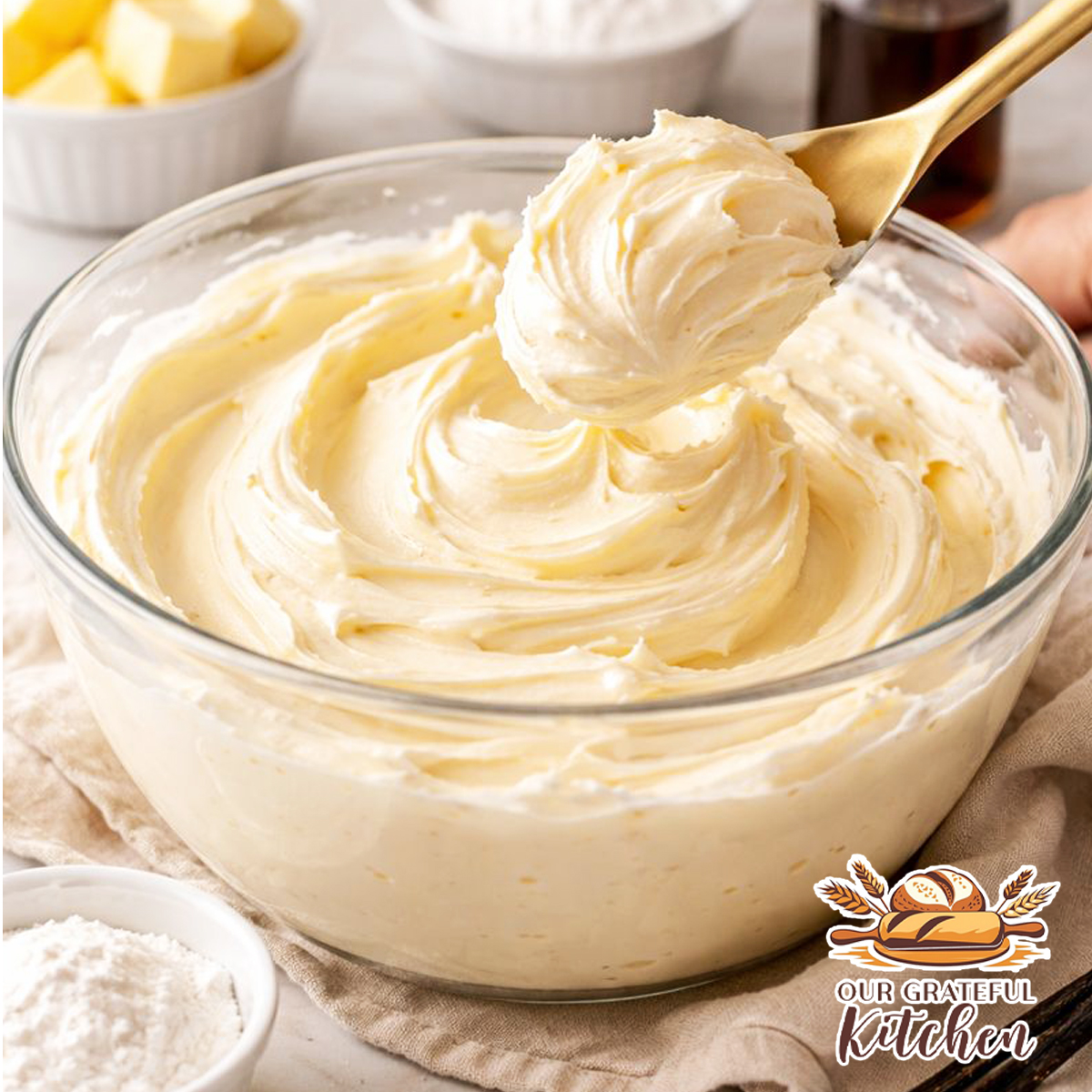
Secrets to Super Fluffy, Bright White Vanilla Buttercream
There's something truly magical about a perfectly crafted vanilla buttercream frosting. It's the crown jewel on countless desserts, from elegant wedding cakes to humble birthday cupcakes, and the very thought of its sweet, airy texture brings a smile to any face. When it comes to elevating your homemade bakes, a superior classic vanilla buttercream frosting recipe isn't just a topping – it's an experience. It offers a versatility that few other frostings can match, effortlessly complementing everything from rich chocolate cakes to delicate white sponges, and even acting as a delectable filling for cookies. But what truly sets an extraordinary buttercream apart? It’s that ethereal fluffiness and the coveted bright white hue that makes it visually stunning. If you've ever wondered how to achieve that professional-level finish, you're in the right place. We're about to unlock the secrets to a vanilla buttercream that’s not just delicious, but also visually captivating.
The Enduring Appeal of Classic Vanilla Buttercream
Why does classic vanilla buttercream remain a timeless favorite? Its widespread adoration stems from its inherent simplicity and incredible adaptability. Unlike more temperamental frostings, a good vanilla buttercream comes together with just a few basic ingredients, transforming into a luxurious confection that's both sweet and incredibly satisfying. It's the go-to choice for celebrations of all kinds – birthdays, anniversaries, or simply making an everyday dessert feel special. Imagine it cascading down the sides of a tiered cake, providing a striking contrast against a dark chocolate base, or lovingly sandwiched between two soft butter cookies. Its ability to pair seamlessly with virtually any cake flavor, combined with its ease of creation, solidifies its status as a true kitchen staple. For more comprehensive insights into mastering this versatile frosting, consider exploring resources like Unlock the Classic: Perfect Vanilla Buttercream for Every Treat.
Beyond its taste, the texture and appearance of your buttercream make a significant impact. We're talking about that dreamy, cloud-like fluffiness that melts in your mouth, and a vibrant white color that screams elegance. While some might think these qualities are reserved for professional bakers, the truth is, they're achievable right in your home kitchen with a few key techniques.
Mastering the Art of Fluffy Buttercream: The Secret to Heavenly Texture
Achieving that signature light and airy texture in your vanilla buttercream is less about complex maneuvers and more about understanding the role of air. The primary trick lies in how you incorporate air, particularly after adding your confectioner's sugar. Many home bakers simply mix until combined, but the secret to truly fluffy frosting is to give it a vigorous beat:
- High-Speed Mixing After Each Sugar Addition: This is perhaps the most crucial step. After incorporating each cup of confectioner's sugar, don't just mix on low. Turn your stand mixer (or hand mixer) to its highest speed. This powerful aeration not only helps to dissolve the sugar completely, preventing a gritty texture, but also whips a significant amount of air into the frosting. The more air you incorporate, the lighter and fluffier your buttercream will become. This process dramatically transforms the consistency, moving it from dense to delightfully cloud-like.
- The Paddle Attachment is Your Best Friend: While a whisk attachment might seem intuitive for whipping, a paddle attachment often yields superior results for buttercream. The paddle works by creaming and aerating without over-whipping, creating a smoother, more stable, and incredibly fluffy texture. A whisk, on the other hand, can sometimes introduce too much air too quickly, leading to a frothy or slightly unstable consistency that might not hold its shape as well for piping. Plus, as a bonus, cleaning buttercream off a paddle attachment is significantly easier than battling it out of a whisk's tines!
- Room Temperature Butter is Non-Negotiable: Start with butter that's truly at room temperature – pliable but not melted. Cold butter won't cream properly, leading to lumps, while melted butter will result in a greasy, soupy mess. Properly softened butter creams beautifully, forming a smooth base that's ready to accept air.
- Scrape Down the Bowl Religiously: To ensure uniform texture and prevent any unmixed pockets, frequently scrape down the sides and bottom of your mixing bowl. This guarantees all ingredients are thoroughly incorporated and prevents any gritty bits from appearing in your final frosting.
Unlocking the Bright White Hue: A Guide to Visually Stunning Frosting
A pristine, bright white buttercream has an undeniable elegance, making desserts pop and providing the perfect canvas for additional decoration. While butter naturally lends a yellow tint, you can achieve a color so close to pure white that most observers won't notice the difference. Here's how:
- Embrace Clear Vanilla Extract: This is a game-changer. Traditional vanilla extract, with its rich brown color, will inevitably tint your buttercream. Opting for clear vanilla extract eliminates this source of yellow, making a significant difference in achieving a brighter white. Don't worry about flavor – high-quality clear vanilla still delivers that classic vanilla essence without compromising color.
- The Power of High-Speed Aeration (Again!): As mentioned for fluffiness, the vigorous whipping after each addition of confectioner's sugar serves a dual purpose. Beyond incorporating air for texture, this intense mixing also subtly lightens the color of the buttercream. The sheer volume of tiny air bubbles dispersed throughout the frosting visually brightens it, making any residual yellow tint from the butter far less noticeable. It's a fantastic optical trick!
- Consider Your Butter Quality: While not as impactful as clear vanilla, some butters have a more pronounced yellow hue than others. If you're truly aiming for the whitest possible outcome, opting for a butter that's naturally lighter in color can make a minor difference.
It's important to set realistic expectations: because butter is a core ingredient, a truly "pure white" buttercream without substituting some or all of the butter with shortening is practically impossible. However, with these techniques, you'll get a stunningly bright, almost pure white frosting that will impress everyone.
Customizing Your Buttercream: From Firm to Silky Smooth
The beauty of a reliable classic vanilla buttercream frosting recipe is its inherent flexibility. You can easily adjust its consistency to suit various applications, whether you need a firm frosting for intricate piping or a softer, more spreadable consistency for a smooth cake coating. This control primarily boils down to the sugar-to-liquid ratio:
- For a Firmer Frosting: If your buttercream feels too soft or runny for delicate piping work, the solution is simple: gradually add more confectioner's sugar, a tablespoon at a time, mixing well after each addition. Continue until you reach your desired stiffness. Remember to beat on high speed after each addition to re-fluff it.
- For a Softer, More Spreadable Frosting: Conversely, if your buttercream is too stiff, add a touch more liquid. This could be milk, cream, or even a splash more clear vanilla extract. Add it a teaspoon at a time, mixing thoroughly until you achieve the desired spreadable consistency. Whole milk or heavy cream will add richness, while skim milk will lighten it slightly.
Experimentation is key here. A slightly firmer frosting is ideal for creating sharp edges and detailed designs, while a softer one is perfect for a rustic "naked cake" look or smooth, effortless spreading. For more targeted advice on achieving the perfect texture and color, be sure to check out Get Whiter, Firmer Buttercream: Essential Tips & Tricks.
Pro Tips for Your Best Buttercream Yet
- Sift Your Confectioner's Sugar: To guarantee a smooth, lump-free buttercream, take the extra step to sift your confectioner's sugar before adding it. This eliminates any potential clumps and ensures a silky-smooth texture.
- Taste and Adjust: Always taste your buttercream! Depending on your preferences, you might want a little more vanilla, a pinch of salt to balance the sweetness, or a touch more sugar.
- Don't Over-mix (Once Liquids are Added): While high-speed mixing is crucial for aeration, once all the sugar and liquid are incorporated, avoid over-mixing. Excessive mixing can sometimes incorporate too much air, leading to larger air pockets or a slightly greasy texture if the butter separates.
- Storage and Re-whipping: Buttercream can be made ahead of time. Store it in an airtight container in the refrigerator for up to a week, or freeze it for up to a month. Before using, let it come to room temperature and then re-whip it on medium-high speed for a few minutes until it's light and fluffy again. You might need to add a splash of milk or cream to bring it back to the perfect consistency.
Conclusion
Mastering a classic vanilla buttercream frosting recipe is a truly rewarding endeavor for any home baker. With the insights shared here – from the power of high-speed aeration and the magic of clear vanilla to the precise control of consistency – you now have the tools to create buttercream that is not only exquisitely fluffy and bright white but also perfectly tailored to your needs. This versatile, delicious frosting is more than just a sweet embellishment; it's a testament to the joy of homemade baking and an invitation to elevate your desserts from ordinary to extraordinary. So, grab your mixer, choose your finest ingredients, and prepare to delight your family and friends with a vanilla buttercream that will leave them asking for your secret recipe.
